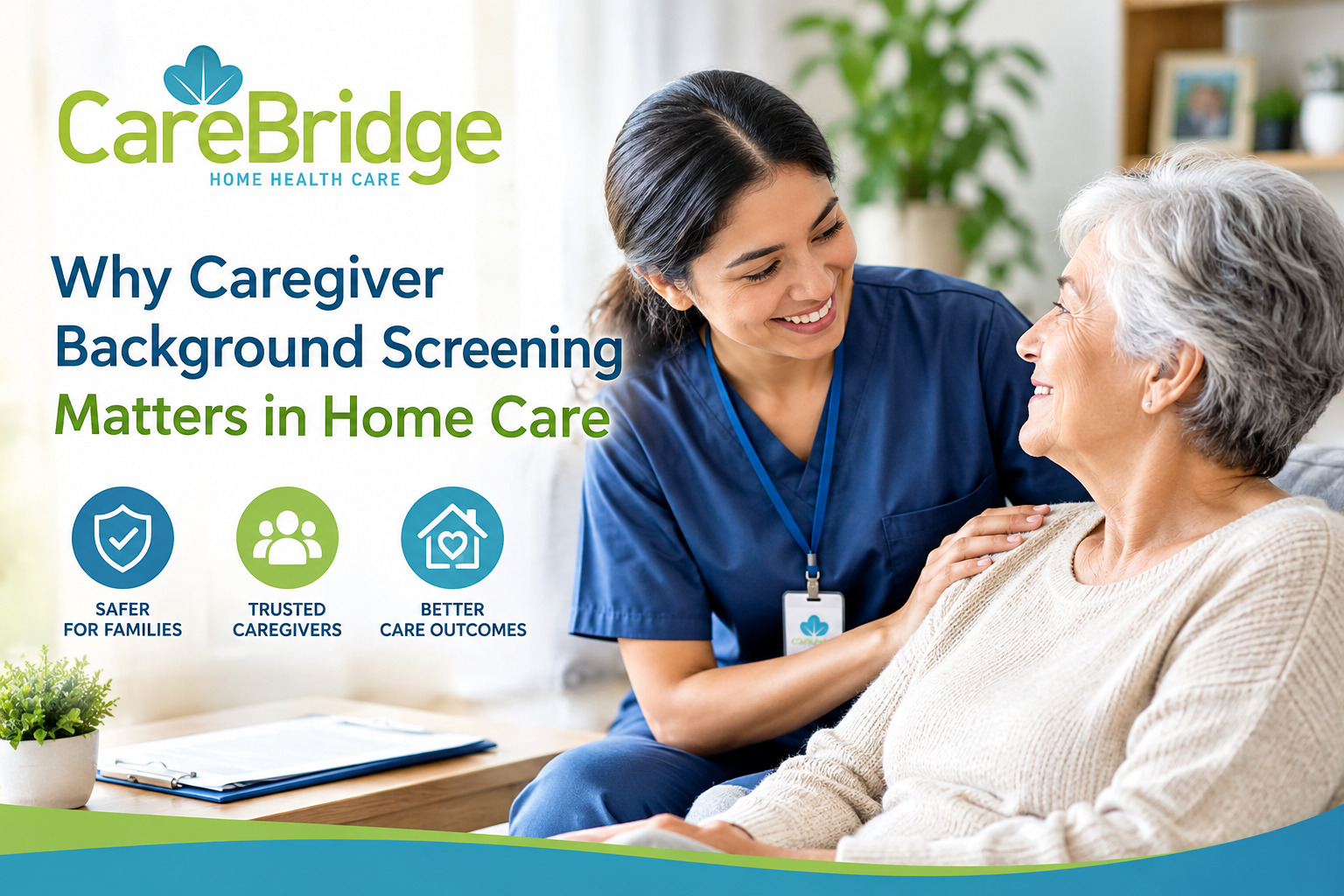
Why Caregiver Background Screening Matters in Home Care
When someone is coming into your home to help an older parent, spouse or family member, trust matters pretty quickly. You want to know who you’re letting through the front door, especially when that person may be helping with bathing, dressing, meals or other personal routines.
That is why caregiver background screening deserves a proper look when comparing home care providers.
It Goes Beyond a Quick Background Check
A useful screening process should look at several things, not one box on a form.
CareBridge says its recruitment process includes an in-person interview, reference checks and background screening. The company also says it checks criminal records, Social Security information, national databases, motor vehicle records and sex-offender registries.
That wider approach matters because caregiving involves trust as well as practical skills. A person may have experience working with seniors, but families still need confidence that the agency has done its homework.
What Does New Jersey Require?
There is an important distinction here.
New Jersey requires certain certified homemaker-home health aides to undergo criminal background investigations, and the state says all applicants must complete this process before beginning employment as a CHHA.
So when comparing Health Care Agencies in New Jersey, families can ask how the agency handles background checks, certification and ongoing caregiver oversight. Those are fair questions. In fact, they’re probably questions worth asking before the first care shift starts.
Skills Matter Too
A clean background check doesn’t tell you everything about someone’s ability to provide care.
Does the caregiver have the right training? Are they comfortable with the level of help your family member needs? Can they communicate properly with the person receiving care?
CareBridge says its caregivers are New Jersey-certified home health aides and that qualifications are checked through references, interviews and ongoing observation. The agency also provides continuing education for its caregivers.
That combination is important. Families aren’t hiring someone simply to be present in the house.
What About Companion Care?
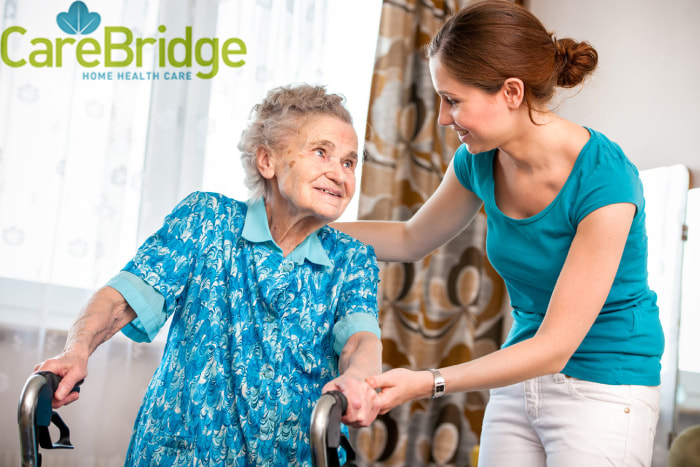
Companion Care Services in New Jersey can involve everyday support such as conversation, routines, errands and assistance with activities of daily living. Even when the care isn’t highly medical, the caregiver may spend several hours with someone who is older or vulnerable.
That’s why screening still matters.
You should feel comfortable asking an agency how caregivers are selected, whether they are employees or independent referrals, what credentials they hold and how the agency handles concerns once care begins.
A Simple Question Can Tell You a Lot
Before choosing a provider, ask:
“Can you explain your caregiver screening process?”
A good agency shouldn’t make that question feel awkward. It should be able to explain the checks, qualifications and supervision involved without making you dig through the small print.
CareBridge provides personalised home care across New Jersey, including companion and personal care, and says its caregiver matching process considers the client’s needs and preferences.
For families arranging care at home, background screening isn’t the whole decision. But it is a pretty important place to start.